
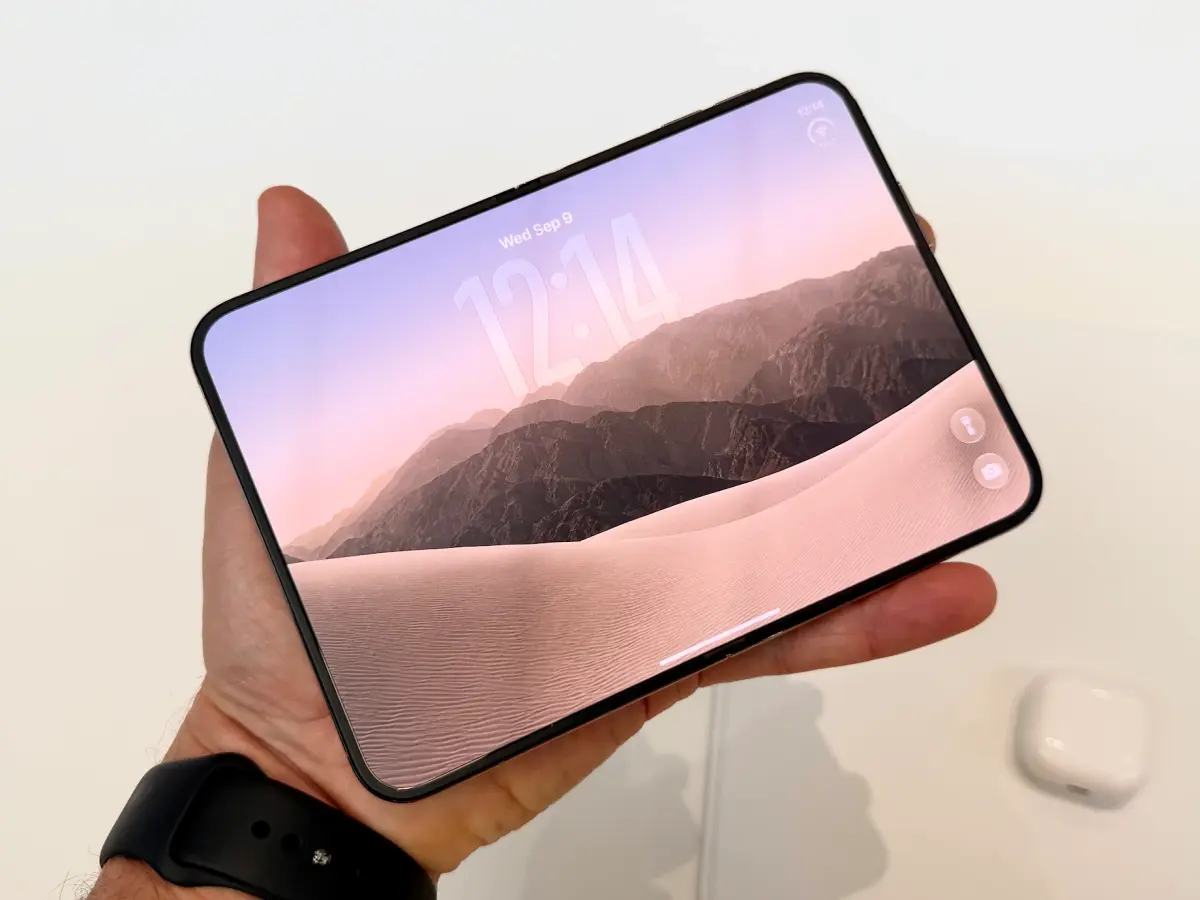
Apple just dropped the iPhone Duo, its first foldable iPhone, and the internet is acting like Cupertino just invented the wheel. Pre orders open October 16, the phone ships October 23, and pricing starts at $1,999 for the 256GB model and climbs to $2,399 for a full terabyte. A 7.6 inch inner display, a 5.4 inch outer screen, an A20 Pro chip, IP68 water resistance, a titanium frame. Impressive spec sheet. Not an impressive first.
Here is the problem with calling the iPhone Duo innovation. Android phones have been doing the dual screen and folding thing since before the iPhone even had Face ID.
The Receipts
- Kyocera Echo (2011). The original dual screen Android phone, built with Sprint. Two 3.5 inch displays on a hinge, running actual split screen apps. Fifteen years before the iPhone Duo existed.
- ZTE Axon M (2017). A real folding hinge with two full touchscreens that opened flat into one big display. Basically the blueprint Apple is selling right now as new.
- Royole FlexPai (2018). The first phone with an actual flexible folding screen, not two screens taped together. Beat Samsung to market by months.
- Samsung Galaxy Fold (2019). The device that made folding phones mainstream and took the PR hits so Apple would not have to. Cracked screens, hinge failures, all of it, in public, seven years before Apple showed up.
- Huawei Mate X (2019). A wraparound single fold display, announced days after the Galaxy Fold.
- Motorola Razr (2019/2020). Brought the flip phone back from the dead as a foldable and made it cool again.
- Samsung Galaxy Z Flip (2020). Refined the flip foldable into something people actually carried every day.
- Microsoft Surface Duo (2020). An Android powered dual screen device that almost had the exact same name as what Apple is calling their phone now.
- LG Wing (2020). A swivel dual screen phone nobody asked for, but it existed, and it was Android.
That is nine devices, across six different companies, over fifteen years, before Apple sold a single foldable iPhone.
The 2026 Lineup Apple Is Walking Into
This is not just ancient history either. The same year the iPhone Duo ships, Android’s foldable game is deep and it is not waiting around:
- Samsung Galaxy Z Fold 7 and Z Fold 8 Ultra. An 8 inch inner display, Snapdragon 8 Elite, a 200MP main camera, and a book style build that folds down to 8.9mm. Starts at $2,100.
- Samsung Galaxy Z Flip 7 and Z Flip 8. Seven years of flip foldable refinement, now with a 6.9 inch inner display and a cover screen UI that actually works for real tasks.
- Google Pixel 10 Pro Fold. Released in October 2025, a full year ahead of the iPhone Duo, and it hit IP68 water resistance on a foldable first. The durability flex Apple gets credit for below, Google already had it.
- Motorola Razr Ultra and Razr Fold. Wood paneling, Pantone colorways, 165Hz cover displays, 80W charging. Motorola is not just competing in this category, it is having fun with it.
- OPPO Find N6. An 8.12 inch tablet sized inner display with a creaseless panel and stylus support, mostly sold in Asia, quietly doing things the iPhone Duo has not attempted.
- OnePlus Open. Still on shelves, still one of the best value folds you can buy.
Apple is not walking into an empty room here. It is walking into a packed one, years after everyone else already got comfortable.
Why “Innovation” Is The Wrong Word
Apple did not invent the foldable phone. Apple watched everyone else take the losses, the cracked hinges, the water damage, the “is this actually useful” reviews, for a decade and a half, then walked in with a bigger marketing budget and better durability testing. That is not innovation, that is a very expensive layup. Calling the iPhone Duo the “largest iPhone display ever” is true. Calling it groundbreaking when Android had this figured out before the first Galaxy Fold review even went up is a stretch. This is a failed innovation dressed up as a breakthrough.
Credit Where It Is Due
To be fair to Apple, they did not just copy and paste. The tech sheet actually has real upgrades worth mentioning:
- IP68 rating means it survives being dunked, not just rained on, which the Galaxy Z Fold line still has not matched, though Google’s Pixel 10 Pro Fold already beat Apple to IP68 on a foldable by a full year.
- Grade 5 titanium frame and Ceramic Shield address the exact hinge and screen fragility complaints that plagued the first generation of Android foldables.
- Up to 44 hours of battery life on the outer display is a genuinely strong number for this category.
- The A20 Pro chip crushes Android in single core speed and GPU compute, and that shows up in real day to day snappiness. But Qualcomm’s Snapdragon 8 Elite Gen 5, the same chip running the Galaxy Z Fold 8 Ultra, actually beats it on the overall AnTuTu benchmark. So even the chip advantage is not the clean sweep Apple wants you to think it is.
- Apple Pencil support is a real edge over Samsung, who dropped S Pen support entirely on the Z Fold 8 line. Oppo’s Find N6 has a stylus too though, so it is not the industry first it sounds like.
So yeah, the hardware is legit. But legit hardware seven years late is still late. Apple did not build the first foldable phone. They built the most expensive one, showed up after everybody else already took the risk, and let the marketing call it revolutionary anyway.
Android did this in 2011. Apple did it in 2026. Do the math.
Whether or not the iPhone Duo makes your next upgrade list, that same no filter approach is what powers everything else on XMG, including our Music coverage.